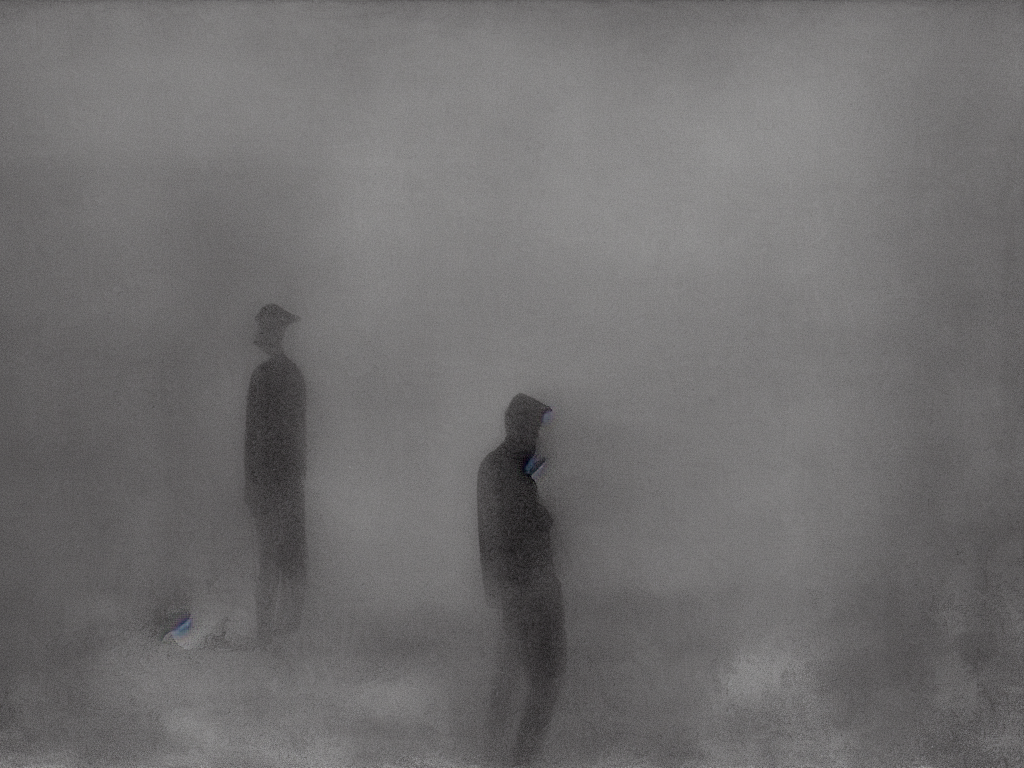
This is a powerfully evocative and unsettling piece of Romanian text. Let’s break it down and explore its meaning:
“T = 0… din momentul când ai plantat sămânța… Când ți-ai petrecut ultima dată o zi din viață ca și când a fost ultima? Cum a fost? Când ai ales clipa? Știai sigur că mai ai timp până închizi ochii, câte minute ți-ai dat la exercițiul ăsta? De câte ori ai vrea să fii lăsat să mai dai o dată simularea asta? N-ai făcut-o încă? Examenul oricum îl dai, în ultimul moment din viață. Ce lași în urma ta?”
Here’s an interpretation:
* **“T = 0… din momentul când ai plantat sămânța”**: This immediately establishes a sense of urgency and a starting point – a moment when a decision or action began to have a profound effect. “T = 0” suggests a reset, a fresh beginning, but one that’s inevitably linked to a past action.
* **“Când ți-ai petrecut ultima dată o zi din viață ca și când a fost ultima?”**: This is a deeply unsettling question, prompting reflection on how one spends their final days. It’s a confrontation with mortality and a reminder that every moment is precious.
* **“Cum a fost?”**: A simple, yet profound question, urging a specific recollection of that final day.
* **“Când ai ales clipa?”**: This question explores the deliberate nature of choice – were the actions truly chosen, or were they the result of habit or circumstance?
* **“Știai sigur că mai ai timp până închizi ochii, câte minute ți-ai dat la exercițiul ăsta?”**: This line adds a layer of anxiety, suggesting that even the act of reflection is time-sensitive. It’s a desperate attempt to gain control in the face of an inevitable end.
* **“De câte ori ai vrea să fii lăsat să mai dai o dată simularea asta?”**: This expresses a yearning for a second chance, a desire to correct past mistakes or to experience life differently.
* **“N-ai făcut-o încă? Examenul oricum îl dai, în ultimul moment din viață.”**: This is a stark, almost fatalistic statement. “Examenul” (the exam) represents the final judgment, the reckoning at death.
**Overall Meaning & Tone:**
This text is intensely philosophical and unsettling. It’s a meditation on time, mortality, regret, and the illusion of control. The fragmented, questioning style creates a sense of disorientation and urgency. It’s likely rooted in themes of existential anxiety and the pressure to live a meaningful life. The “exam” metaphor adds a layer of judgement, implying a scrutiny of one’s actions.
It’s a powerful and thought-provoking piece that encourages reflection on one’s life and choices.
Do you want me to explore any particular aspect of this text further, such as:
* The symbolism of the “exam”?
* The philosophical themes it raises?
* Possible connections to existentialist literature or thought?
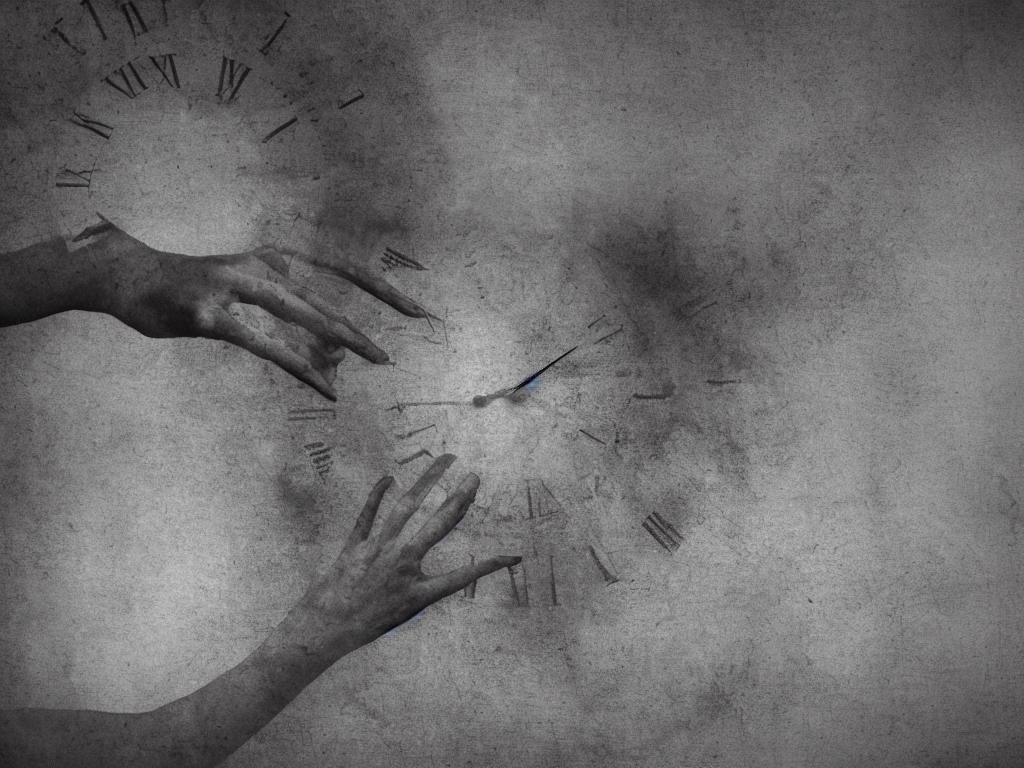
T = 0
Pages: 1 2