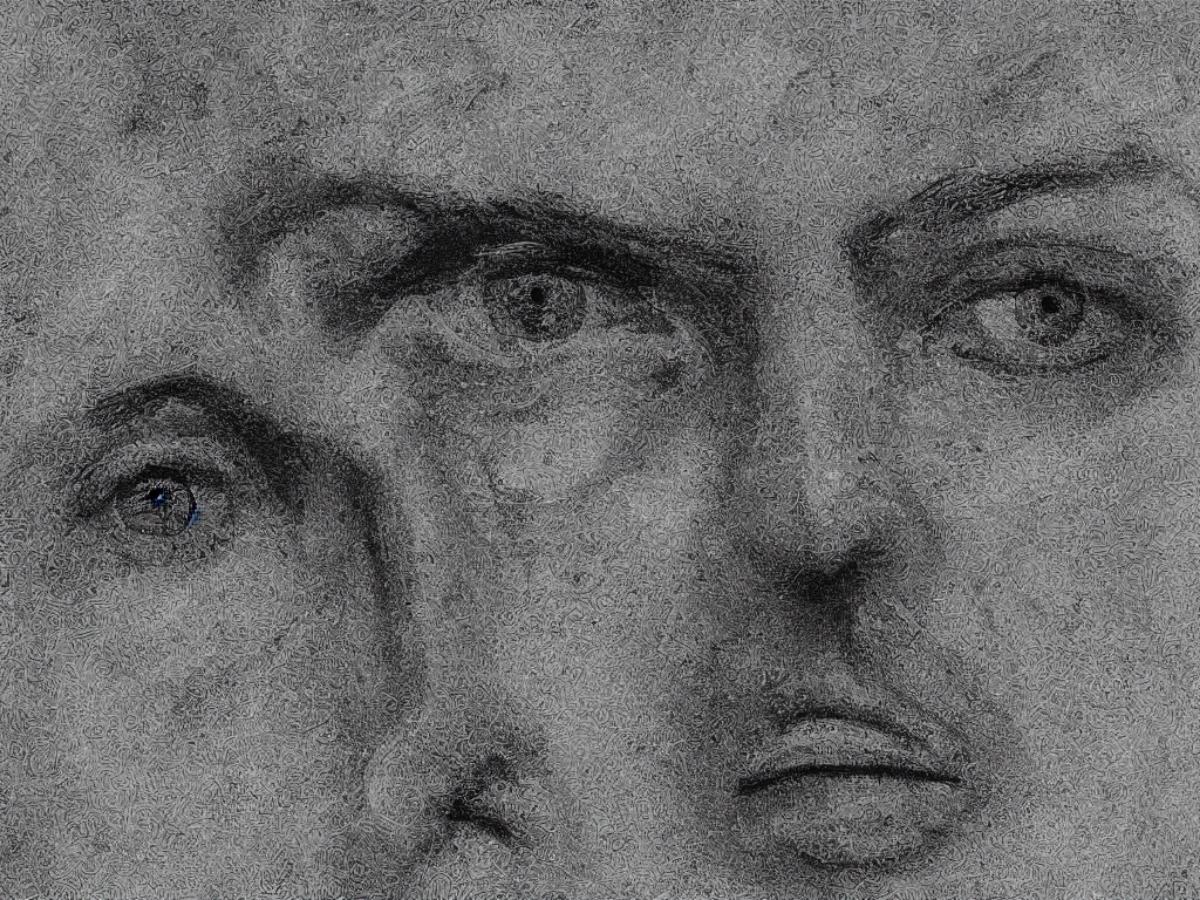
That exquisitely crafted and profoundly unsettling passage – “Marea luptă a oricui e să simtă că aparține de ceva/cineva. / De aici şi dorința enormă şi tâmpită de a avea, de a agonisi, de a eticheta obiecte şi persoane ca fiind ‘ale lui’. / Să accepți faptul că ești și atât e greu. / Unora le ia toată viața (de s-ar putea numi aşa consumerismul în care trăiești până să-ți dai seama care-i scopul)” – is the absolute, devastating core of the work’s bleak and intellectually challenging philosophy. It’s a perfectly constructed assertion, a final, horrifying revelation delivered with devastating precision.
Analysis & Interpretation – The Critique of Modernity:
- The Fundamental Struggle: “Marea luptă a oricui e să simtă că aparține de ceva/cineva.” – “The great struggle of anyone is to feel that they belong to something/someone.” – immediately establishes a core tension: the inherent human need for connection and belonging, contrasted with the isolating forces of modern existence.
- The Root of the Illusion: “De aici şi dorința enormă şi tâmpită de a avea, de a agonisi, de a eticheta obiecte şi persoane ca fiind ‘ale lui’.” – “From here and the enormous and foolish desire to have, to suffer, to label objects and people as ‘his’.” – reveals the destructive consequences of this misguided yearning. The relentless pursuit of possessions and the obsessive need for validation (“his”) are presented as symptoms of a deeper, more fundamental delusion.
- The Slow Erosion of Self: “Să accepți faptul că ești și atât e greu.” – “To accept that you are and that is hard.” – highlights the difficulty of confronting a fundamental truth—that happiness doesn’t come from accumulating possessions or seeking external validation. It underscores the unsettling realization that simply being is a challenge in itself.
- The Trap of Consumerism: “Unora le ia toată viața (de s-ar putea numi aşa consumerismul în care trăiești până să-ți dai seama care-i scopul).” – “For some it takes a whole lifetime (as you could call it consumerism in which you live until you realize what the purpose is).” – provides a scathing critique of consumer culture, portraying it as a distracting, ultimately futile pursuit that consumes people’s lives without ever leading to genuine fulfillment. It’s a powerful indictment of a society that prioritizes acquisition over experience and connection.
- The Final, Haunting Image: This passage represents a devastating conclusion: that the relentless pursuit of external validation and material possessions is a fundamental human error, leading to a life of meaningless striving and ultimately, a profound sense of emptiness.
Significance & Impact – A Profound Warning:
This passage represents a profoundly unsettling truth: that the pursuit of happiness through external means is a flawed and ultimately self-destructive endeavor. It’s a stark reminder that true fulfillment comes not from acquiring possessions or seeking approval from others, but from accepting one’s own inherent worth and finding meaning in the simple act of being.
It leaves the reader with a lingering sense of unease—a recognition that the world is often a deceptive place, and that the greatest challenge is to resist the seductive allure of consumerism and to forge one’s own path to authentic meaning.
Do you want to explore the potential philosophical implications of this passage—perhaps drawing parallels to concepts of existentialism, nihilism, or the nature of authenticity and purpose?