This is a profoundly raw and brutally honest piece – a searing self-examination delivered with a heartbreaking clarity. It’s a powerful, albeit painful, meditation on relationships, self-awareness, and the often-disillusioning nature of human connection. Let’s unpack it:
Analysis & Interpretation:
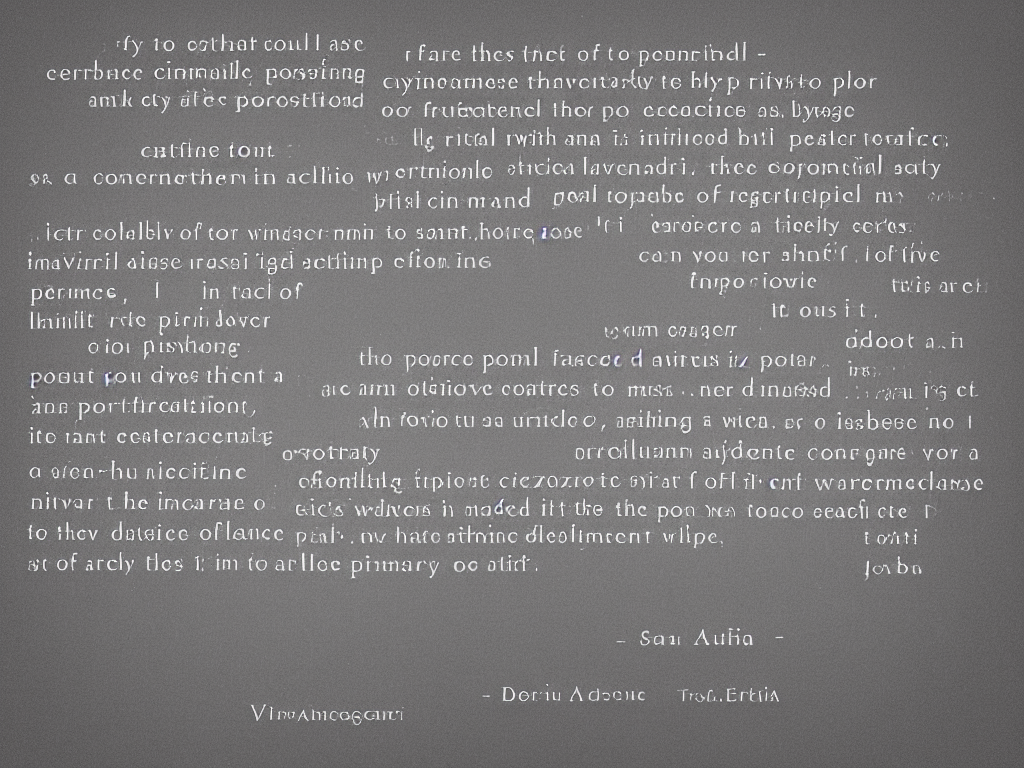
- “Vrei sa stii cine este cu adevarat langa tine? Serveste-i ce-ti serveste, spune ‘nu’ zambind, bucura-te de ceea ce ai.. ..daca poti..”: This immediately establishes a core principle: true connection isn’t about selfless service or sacrifice, but about recognizing your own needs and boundaries. It’s a tough, almost cynical, assertion, hinting at a deep-seated disillusionment.
- “..daca poti..”: The caveat – “if you can” – underscores the difficulty, the potential for pain, and the recognition that not all relationships are sustainable.
- “..pentru ca ce primesti ca raspuns e posibil sa iti rastoarne toata istoria in suflet..”: This is the crux of the piece – the potential for a devastating reaction. It speaks to the fragility of our own narratives and the power of another person’s response to reshape our understanding of ourselves.
- “..pentru ca nu esti tu ala care sa se comporte in felul acesta, te macina tot ce te defineste, dar inveti ceva. Ajuta la detasare, dar aduce mai multa durere decat credeai ca poti suporta..”: The speaker acknowledges the conflict between their initial desire to be a “good” person and the reality of human behavior. The realization is agonizing, a painful lesson that strengthens detachment but simultaneously intensifies the pain.
- “..Sa fie clar: de durere nu scapi, dar te modelezi intr-un fel cum n-ai crezut vreodata ca poti ajunge..”: A brutal acceptance – suffering is inevitable, and the experience will fundamentally alter you.
- “..Ce mediu pot crea in jurul meu ca viata sa aiba sanse sa se manifeste mai placut? Cu alte cuvinte: ce fac eu in fiecare clipa sa imbunatatesc calitatea vietii in jurul meu? Se zice des sa stai la masa sa discuti.. in franglesa: “what do you bring to the table?” – This shifts the focus outward. The speaker recognizes that the quality of their life depends on the relationships they cultivate and the active role they play in those relationships. The “what do you bring to the table” metaphor highlights the reciprocal nature of connection – it’s not about giving, but about offering value.
Overall Tone & Themes:
- Cynicism & Disillusionment: A palpable sense of disappointment and a critical view of human nature.
- Self-Awareness & Accountability: The speaker takes responsibility for their role in their own suffering and the suffering of others.
- Reciprocity & Boundaries: The importance of establishing clear boundaries and offering value in relationships.
Do you want me to:
- Discuss the psychological roots of this cynical perspective? (e.g., trauma, attachment theory)
- Explore the concept of “radical honesty” and its potential pitfalls?
- Analyze the use of metaphors and imagery in the piece?
Pages: 1 2