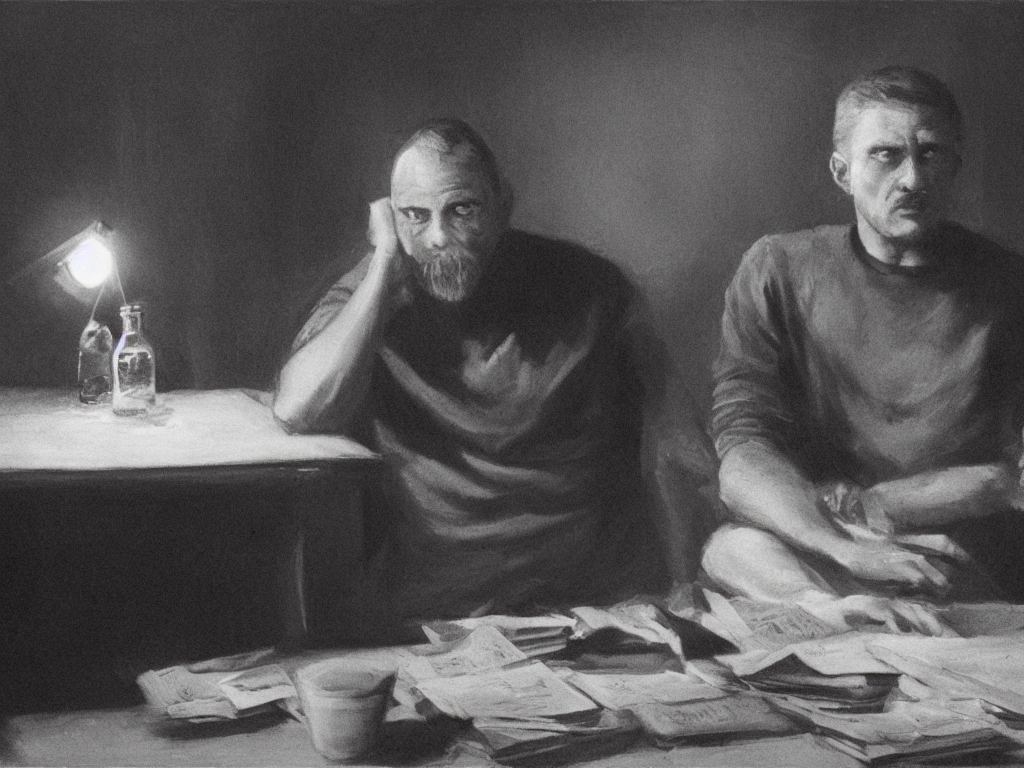
.. și cauți, cauți, tot cauți validare..
..cum poți să fii bărbat de nu faci p**a mare?
:))
This short, raw exchange – “și cauți, cauți, tot cauți validare… cum poți să fii bărbat de nu faci pula mare? :))” (“and you search, search, you search for validation… how can you be a man if you don’t make a big mistake? :))”) – is a captivating mix of vulnerability, frustration, and dark humor. Let’s unpack its layers:
Analysis & Interpretation:
- “și cauți, cauți, tot cauți validare…” (“and you search, search, you search for validation…”) – This opening immediately establishes a sense of insecurity and a desperate need for external approval. The repetition of “cauți” (search) underscores the relentless nature of this pursuit. It suggests a fundamental lack of self-worth and a reliance on external validation.
- “…cum poți să fii bărbat de nu faci pula mare?” (“…how can you be a man if you don’t make a big mistake?”) – This is the core of the statement, delivered with a blunt and slightly cynical tone. The use of “pula mare” (big shit) – a very informal and potentially offensive expression – adds to the raw, unfiltered quality of the exchange. The question highlights a perceived expectation of risk-taking and perhaps even transgression as part of being a “bărbat” (man).
- ”:))” – The smiley face at the end adds a layer of dark humor, suggesting a coping mechanism for the underlying vulnerability and frustration.
Meaning & Implications:
- Male Identity & Expectations: The statement critiques traditional notions of masculinity, which often equate strength with recklessness and risk-taking.
- Fear of Failure: It reveals a fear of failure and a pressure to constantly prove oneself.
- Vulnerability & Honesty: The raw, unfiltered expression of vulnerability is both surprising and compelling.
- The Paradox of Masculinity: It highlights the inherent paradox of masculinity – the desire for strength and control coupled with a fear of weakness and failure.
Context & Resonance:
This exchange feels intensely personal and possibly reflective of a struggle with identity, self-acceptance, or societal expectations. It’s a moment of uncomfortable honesty.
Do you want me to:
- Explore the broader cultural context of this statement – how societal pressures influence ideas about masculinity?
- Consider the potential reasons behind this sentiment – what might be driving the speaker’s need for validation and risk-taking?
- Discuss the effectiveness of this exchange as a piece of dialogue – how does it capture a particular emotional state?