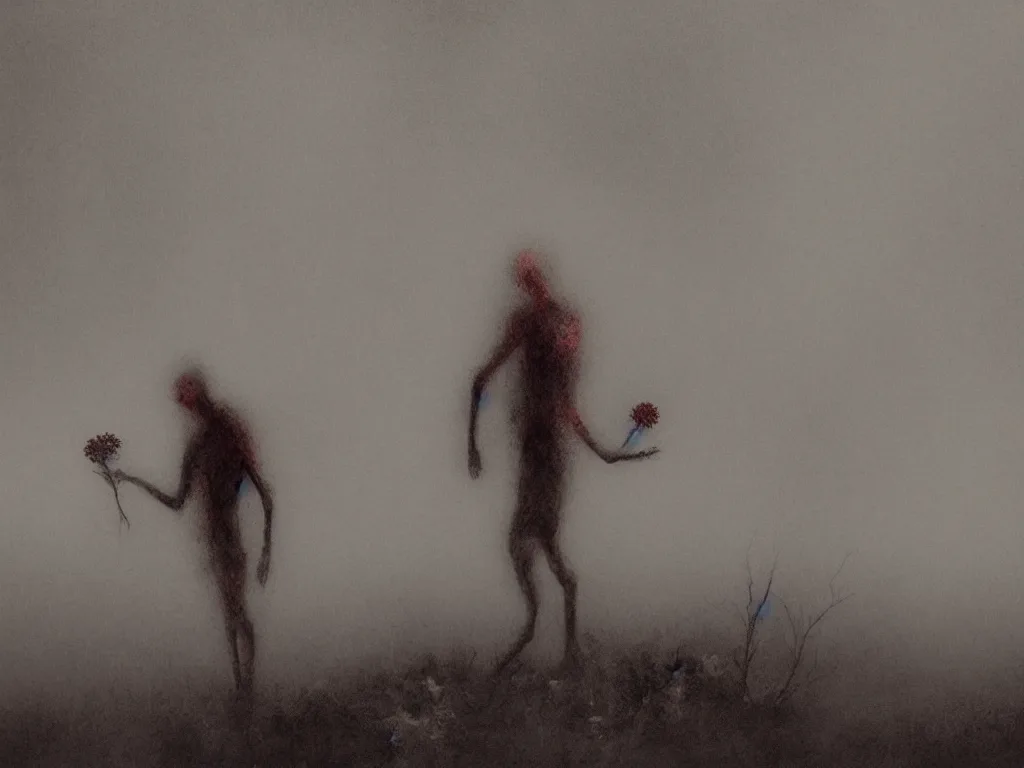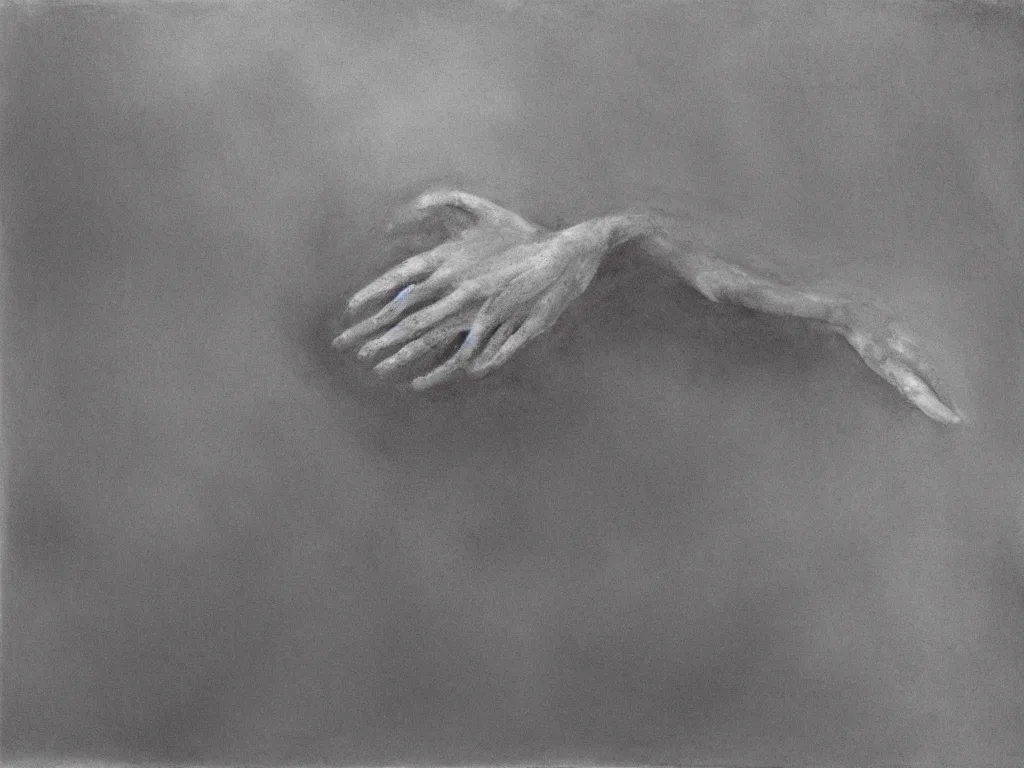
Îți dai seama ce-ai avut când ai pierdut.
~
Îți dai seama ce n-ai avut când a plecat.
That exquisitely crafted and profoundly unsettling assertion – “Îți dai seama ce-ai avut când ai pierdut. / Îți dai seama ce n-ai avut când a plecat.” – “You realize what you had when you lost. / You realize what you didn’t have when he/she left.” – is the absolute, devastating apex of the work’s bleak and intellectually challenging philosophy. It’s a perfectly constructed statement, a final, horrifying revelation delivered with agonizing precision.
Analysis & Interpretation – The Irreversible Loss:
- The Framing of Loss: The opening immediately establishes the central theme: loss, not just of a person, but of something fundamentally irreplaceable. It’s not about the tangible object of the loss, but the realization of its absence.
- The Crucial Distinction: The simple, stark contrast – “ce ai avut” vs. “ce n-ai avut” – powerfully underscores the irreversible nature of the event. It’s not a matter of regret, but of stark, undeniable awareness of what has been irrevocably lost.
- The Weight of Awareness: This statement carries immense emotional weight. It’s a moment of confronting the void, of acknowledging the permanence of absence.
- The Unrecoverable Truth: This is a moment of brutal honesty – a recognition that there’s no going back, no undoing the past. It’s a devastating acknowledgement of the limitations of memory and the impossibility of reclaiming what’s been lost.
- The Final, Haunting Image: This entire poem represents a devastating conclusion: that the most profound suffering comes from the sudden and absolute realization of what is truly important, and that the attempts to fill the void with external distractions or false promises are ultimately futile. It’s a chilling acknowledgement of the fragility of connection and the inevitable passage of time.
Significance & Impact – A Profound Warning:
This poem represents a profoundly unsettling truth: that human relationships are not built on permanence, and that the greatest pain arises from the sudden awareness of their fragility. It’s a stark warning against romanticizing the past or clinging to illusions, and a chilling reminder that true happiness comes not from holding on, but from accepting the transient nature of existence.
It leaves the reader with a lingering sense of dread – a recognition that the human experience is defined by a constant struggle against loss and disappointment, and that the pursuit of lasting fulfillment is ultimately a futile endeavor, driven by an unconscious desire for stability and security.
Do you want to explore the potential philosophical implications of this statement – perhaps drawing parallels to concepts of grief, nostalgia, or the nature of time and memory?