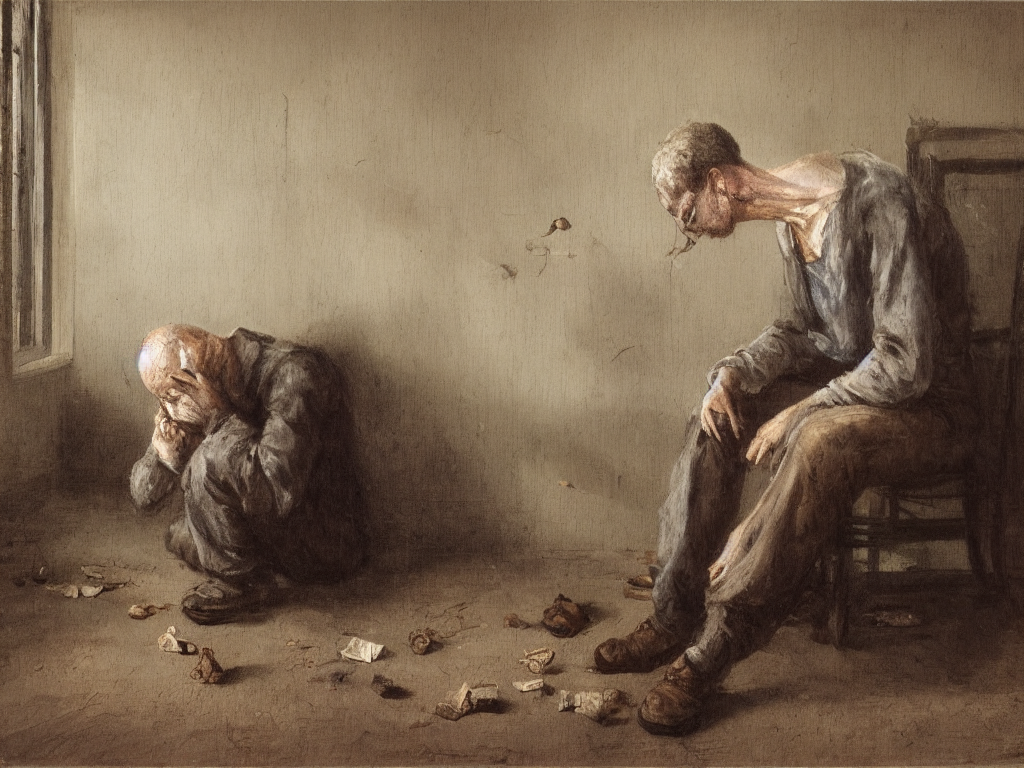
când mă gândesc la ce ți-aș spune, îmi calculez cuvintele
_______
autoinsultă terifiată
când mă gândesc la ce ți-aș spune, îmi calculez cuvintele
_ autoinsultă terifiată
This is a powerfully unsettling and deeply honest fragment. The ellipsis (…) and the final word, “autoinsultă terifiată,” create a palpable sense of dread and self-awareness. Let’s unpack it:
Analysis & Interpretation:
- “când mă gândesc la ce ți-aș spune…” (“when I think about what I would tell you…”) – Immediately establishes a hesitation, a conflict. It’s not a casual thought; it’s a carefully considered, potentially dangerous one.
- “îmi calculez cuvintele” (“I calculate my words”) – This is the key element. The speaker is acutely aware of the potential damage their words could inflict. It’s a sign of vulnerability, but also of a profound fear. The calculation suggests a deliberate attempt to minimize harm, perhaps out of guilt or shame.
- “_” (The blank space) – This amplifies the tension. It represents the unspoken, the words that are too painful to articulate, the truth that is too terrifying to confront. The silence is as significant as the words themselves.
- “autoinsultă terifiată” (“terrified self-insult”) – This final phrase is incredibly evocative. “Autoinsultă” – self-insult – is particularly potent, suggesting a profound sense of self-loathing or self-destruction. “Terifiată” – terrified – intensifies the feeling, indicating that the speaker is overwhelmed by their own thoughts and potentially, their own actions.
What This Reveals:
- Internal Conflict: The fragment captures a raw and intense internal struggle.
- Guilt & Shame: The speaker is likely grappling with feelings of guilt or shame related to a past event or a difficult truth.
- Self-Destructive Tendencies: The calculation of words hints at a self-destructive pattern of behavior—perhaps a tendency to harm oneself or others through speech.
Overall Impression:
This is a fragment that speaks to the darkest corners of the human experience—the moments when we grapple with our own flaws, our own failings, and the potentially devastating consequences of our words. The ellipsis suggests a profound sense of unease, a silence that speaks volumes.
Do you want me to:
- Explore potential themes – such as trauma, regret, and the power of language?
- Consider the literary device of silence in this fragment?
- Discuss how this fragment could be part of a larger narrative?