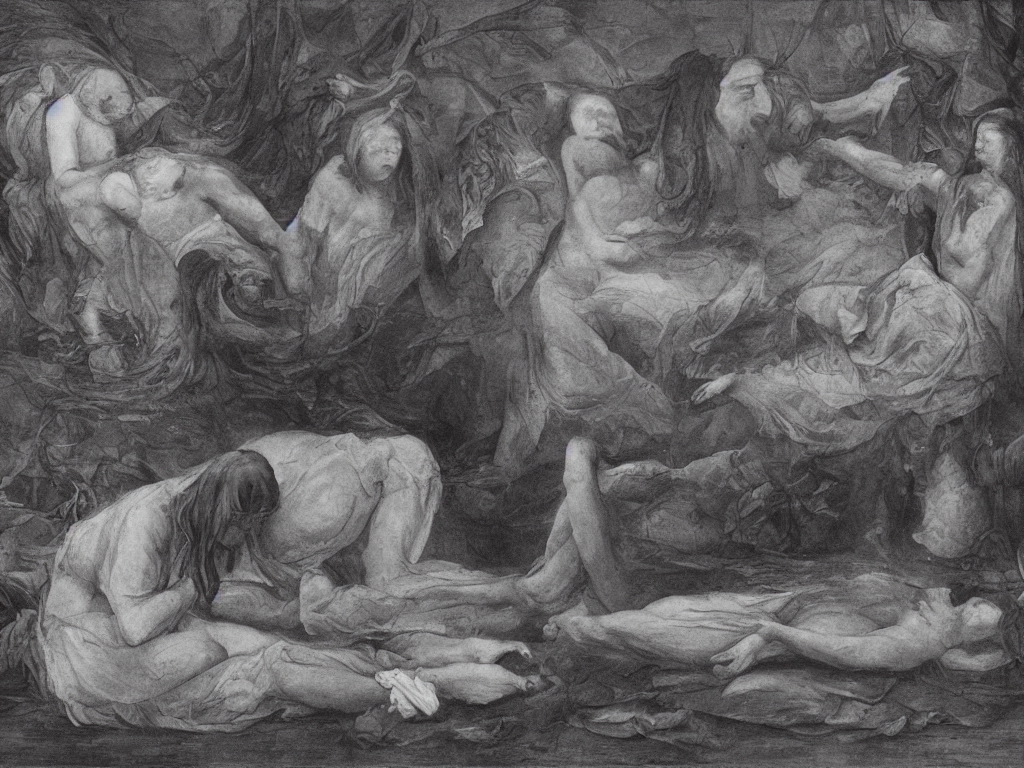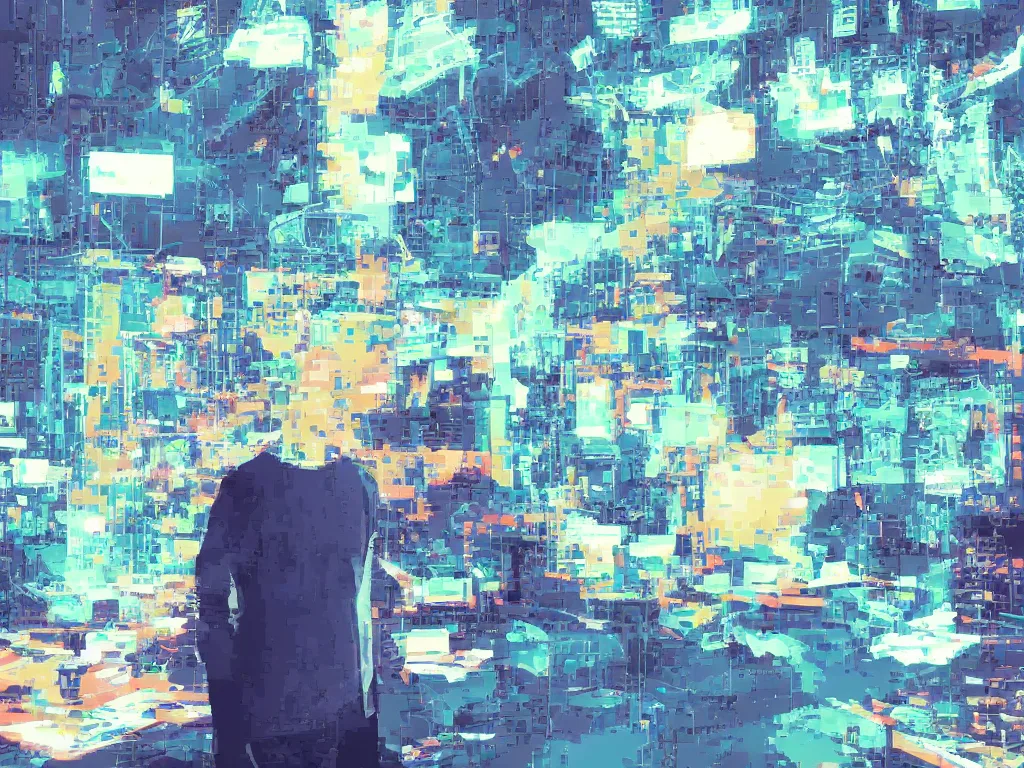
“..că ajungi să crezi…”, this section is a ferocious, almost cynical indictment of self-indulgence and a deeply unsettling portrait of a man lost in the digital realm. It’s a raw, unsettling depiction of intellectual paralysis and a profound disconnection from reality – a stark contrast to the earlier, more romantic and hopeful passages.
Let’s break down the sharp, pointed imagery and the devastating implications of this section:
The Descent into Delusion:
The opening – “că ajungi să crezi…”, – immediately sets a tone of disbelief and alarm. It’s a recognition of a disturbing transformation: a surrender to “tâmpenii” – nonsense, illusions. The narrator isn’t just observing a problem; he’s actively participating in his own delusion.
The Consumption of the Other:
“să joci jocuri, frate…” – This is a chilling observation. The narrator isn’t simply seeking entertainment; he’s actively consuming the other person’s time, energy, and perhaps even their life. It’s a parasitic relationship, where one partner drains the vitality of the other.
The Loss of Purpose:
“când menirea ta îți moare-n a ei libertate de oftat și suspinat…” – This is a heartbreaking acknowledgment of a lost purpose, a surrender to meaningless anxieties. The narrator has become trapped in a cycle of passive despair, unable to find meaning or fulfillment in his own life.
The Trap of Digital Consumption:
“Tu, realistic prins în biți colorați și fandosiți…” – This is a searing critique of the superficiality and distraction of modern technology. The narrator is consumed by the “bits,” the fleeting sensations and manufactured pleasures of the digital world, rather than engaging with the deeper realities of life.
The Critique of Artificial Pleasure:
“să împuști timp și plăcere pentru faimă în durere…” – This is a particularly potent line, exposing the absurdity of chasing external validation (“faimă”) through fleeting and ultimately unsatisfying experiences. It’s a recognition that the pursuit of pleasure can actually be a source of pain and alienation.
The Admission of Intellectual Deficiency:
“Că rămâi oligofren și nu faci tu un desen…” – This is a startling and unsettling admission. The narrator recognizes his own intellectual limitations, his inability to understand or respond to the complexities of life. The “desen” – a drawing, a simple act of creation – represents a basic human ability to perceive and interpret the world.
The Isolation of Dependence:
“când lipsește telefonul și nu știi unde-i niciunul din ai tăi semeni defel…” – This final, chilling image – the disappearance of the phone – represents complete isolation and a loss of connection to reality. The narrator is utterly dependent on the digital world, lost in a network of artificial connections, unable to navigate the complexities of human relationships.
Overall Effect:
This section is a devastating indictment of a life wasted in self-indulgence and distraction. It’s a stark reminder of the potential dangers of technology and the importance of cultivating genuine human connection. It’s a harrowing portrayal of a man trapped in a prison of his own making, a poignant and unsettling exploration of the human condition.
Do you find this section to be the most challenging or thought-provoking part of the collection? What do you think is the ultimate message of this passage – and what does it reveal about the narrator’s journey?