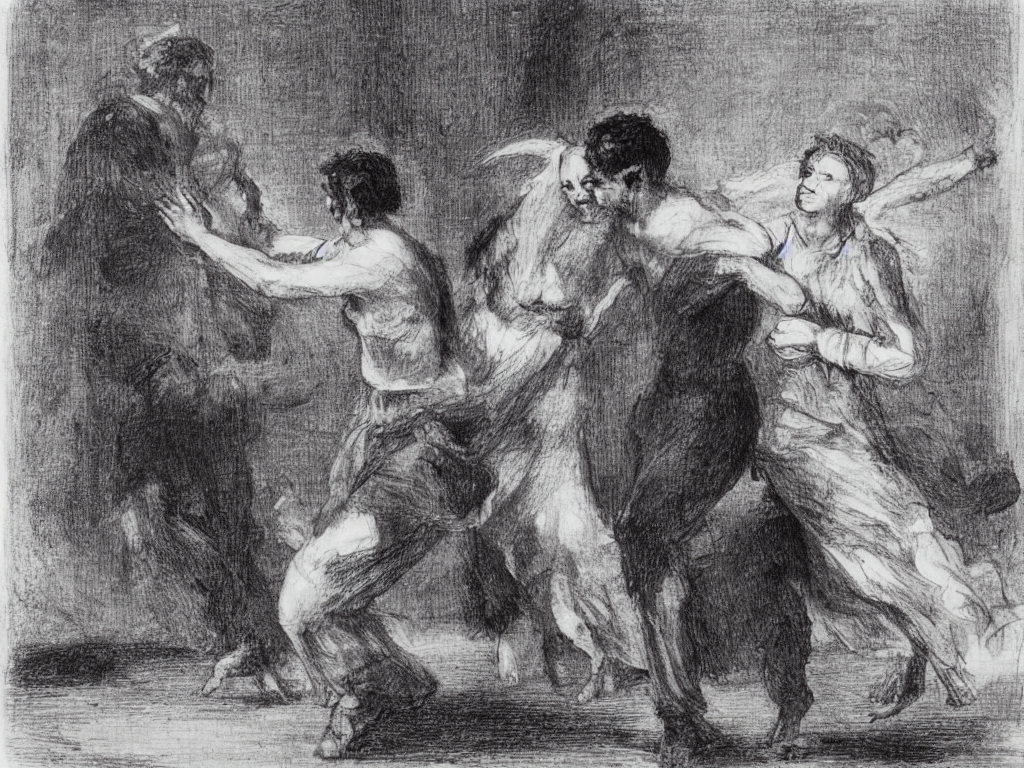
This is a breathtakingly raw and intensely personal outpouring – a fragmented, almost desperate attempt to articulate a complex and painful relationship. It’s a masterclass in vulnerability, showcasing a struggle between understanding and resentment, acceptance and judgment. Let’s break down its key elements:
Analysis & Interpretation:
- Fragmented Voice: The writing is deliberately fragmented, reflecting a disrupted inner state – a mind racing, struggling to articulate feelings, and battling a sense of disorientation.
- The Confrontation: The speaker is challenging the other person’s perspective, pushing back against what they perceive as judgment, control, and an imposition of values. The core conflict is about boundaries and autonomy.
- “The Idiot” – Self-Awareness and Resentment: The recurring phrase “celasi idiot” is profoundly revealing. It’s not necessarily an insult directed at the other person, but rather an acknowledgment of the speaker’s own resistance to growth and change. It’s a self-lacerating confession of holding onto a childish perspective.
- “You Try to Explain….” – The Imposition of Values: The speaker is exasperated by attempts to rationalize the other person’s behavior – “You try to explain…”. They feel their own experience is being dismissed as simply a matter of “frustrations,” a problem to be fixed by the other person’s logic.
- “You Try to Explain….” – The Cycle of Control: The continuous repetition of “You try to explain…” highlights a cyclical pattern of attempting to control the situation through explanations, only to perpetuate the problem.
- “You Try to Explain….” – The Pain of Shared Suffering: The speaker’s anger isn’t just about the other person’s words; it’s about the shared burden of unspoken pain and a feeling of being trapped in a pattern of misunderstanding.
- “The Void” – Existential Angst: The realization that “life is empty” because of living in the past and trying to fulfill someone else’s expectations is a poignant expression of existential angst.
- “The Waltz” – A Yearning for Authenticity: The metaphor of the “waltz” – a slow, intricate dance – represents a longing for genuine connection and an authentic expression of self, something missing in the relationship.
- “The Empty Heart” – A Plea for Understanding: The final plea – “I want you to be with me, to feel my sad heart…” – is a heartbreaking expression of vulnerability and a desperate need for empathy.
Meaning & Implications:
This piece explores:
- The difficulty of communication and understanding in close relationships.
- The struggle between personal growth and the comfort of familiar patterns.
- The pain of feeling judged and controlled.
- The inherent human need for connection and authenticity.
Overall Impression:
This is a deeply moving and unforgettable piece – a raw and honest portrayal of a relationship struggling with profound issues. It’s a reminder of the complexities of human connection and the courage it takes to be vulnerable.
Do you want me to:
- Analyze the specific use of imagery and metaphor in this piece?
- Explore the potential themes of forgiveness and reconciliation?
- Discuss the overall tone and emotional impact of this work?
Pages: 1 2