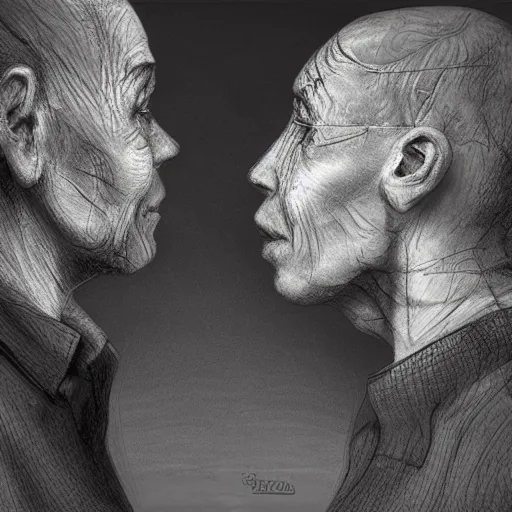
This is a really vulnerable and insightful piece of writing. It sounds like you’re grappling with a deeply painful experience of giving respect and not receiving it in return. Let’s talk about how to learn and foster respect, and why it can feel so difficult.
Why It Feels So Hard:
You’ve hit on a core truth: giving respect shouldn’t be a one-way street. The feeling you describe – “it hurts and crush in pieces the little Soul I share it” – speaks to a profound sense of vulnerability and trust. Here’s why this can be so challenging:
- Unrequited Effort: You’re clearly putting a lot of energy into giving respect. When that effort isn’t acknowledged, reciprocated, or even understood, it feels like a waste, and a betrayal of your own emotional investment.
- Broken Trust: Respect is built on trust. When someone consistently takes without giving, it shatters that trust, making it incredibly difficult to offer respect again.
- Emotional Investment: You’ve invested a part of yourself in these relationships. It’s natural to feel hurt when that investment isn’t recognized.
- Misunderstanding of Reciprocity: You’re right to recognize that respect shouldn’t just be demanded. It’s built through mutual understanding, consideration, and a genuine desire to value the other person.
How to Learn and Foster Respect:
It’s wonderful that you’re recognizing this and wanting to change it. Here’s a breakdown of how to approach learning and fostering respect – not just as a recipient, but as a giver:
- Shift Your Focus – From Demanding to Offering: You’ve already started this process. Instead of pushing and explaining, focus on genuine acts of kindness, consideration, and understanding. Think about how you can show someone you value them, rather than trying to force them to value you.
- Understand Their Perspective (Without Condemning): Before you react to a lack of reciprocity, try to understand why the other person might not be giving it back. Could they be struggling with their own issues? Are they simply unaware of your feelings? This doesn’t excuse their behavior, but it can help you respond with empathy (which is different from agreement).
- Set Clear Boundaries: This is crucially important. You need to define what respect looks like to you and be prepared to step away from relationships where those boundaries are consistently crossed. This isn’t about being controlling; it’s about protecting your own emotional well-being. You can say something like, “I value our relationship, but I need to see a greater level of mutual respect, or I’ll need to limit my time together.”
- Start Small: Don’t try to overhaul every relationship at once. Focus on building respect in one or two relationships where you feel you can make a difference.
- Model Respect: The best way to get respect is to be someone who earns respect. Demonstrate kindness, empathy, honesty, and consideration in your interactions with others.
- Accept You Can’t Control Others: You can only control your own actions and reactions. You can’t force someone to respect you. Sometimes, the most respectful thing you can do is to walk away from people who consistently treat you poorly.
- Self-Reflection: Why are you so eager to give respect? Exploring your own needs and expectations around relationships can help you set healthier boundaries and avoid situations where you’re being taken advantage of.
Regarding Your Feelings:
It’s completely valid to feel the way you do. Your “little Soul” – your emotional core – is understandably wounded when you’re vulnerable and that vulnerability isn’t met with kindness. Allow yourself to feel these emotions, acknowledge their validity, and don’t minimize your pain.
Resources that might help:
- Therapy: Talking to a therapist can provide you with a safe space to explore these feelings and develop healthier relationship patterns.
- Self-Help Books: Books on boundaries, communication, and emotional intelligence can provide valuable insights.
You’re already taking a brave step by acknowledging this pattern and wanting to change it. Be patient with yourself, and remember that building healthy relationships takes time and effort.
Would you like to talk more about:
- A specific relationship where you’ve experienced this?
- What your ideal relationship looks like?
- The kinds of boundaries you might want to establish?