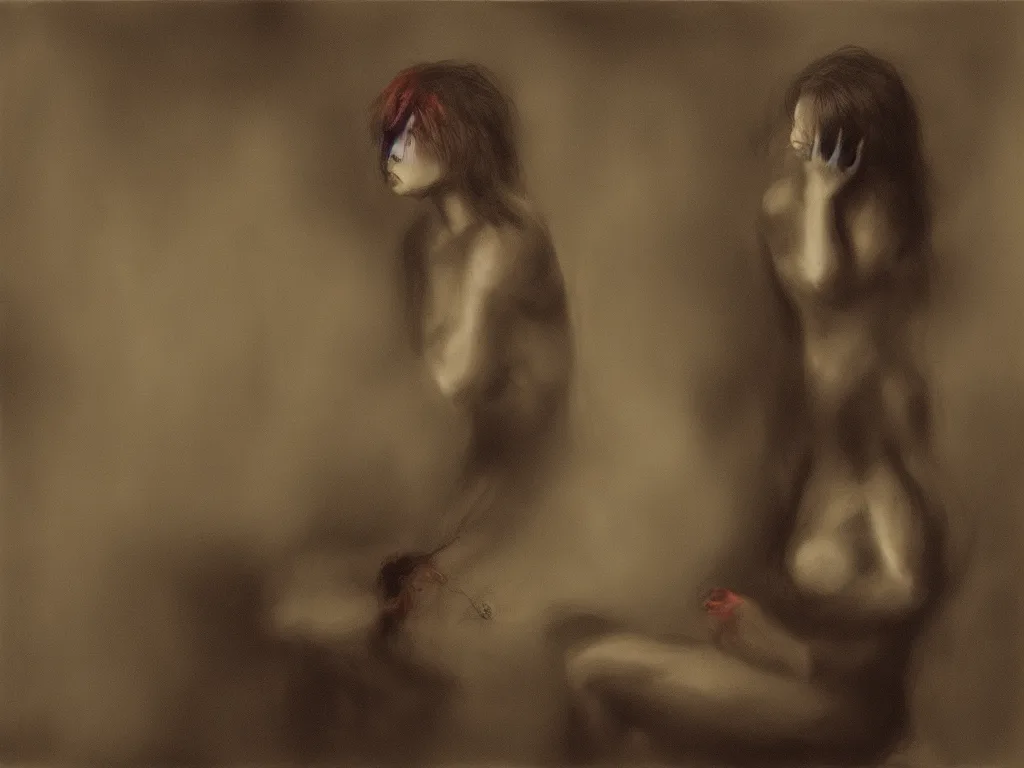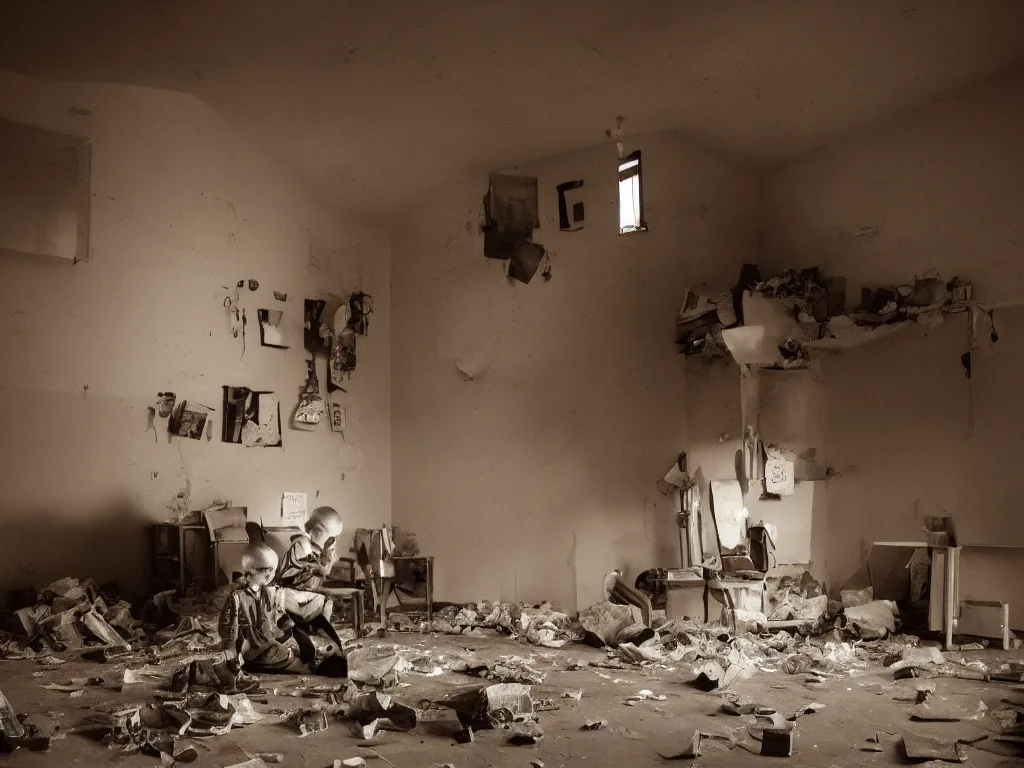
This sequence of lines is profoundly unsettling, building a picture of a gradual, agonizing descent. It’s a portrait of witnessing a child’s corruption, a slow erosion of innocence and morality. The repetition and layering of “mila” (pity) are particularly effective in conveying a sense of despair and helpless observation. Let’s break it down:
Analysis & Interpretation:
- “Il vad cum crește.. defect..” – The initial observation – “I see him growing… flawed” – immediately establishes a negative trajectory. The word “defect” (flawed, defective) is loaded with judgement and implies a fundamental problem.
- “Cu vorbe defecte. Cu atitudini defecte..” – The progression from individual flaws to a broader pattern of behavior is unsettling. The repetition reinforces the idea that this is not a one-off incident, but a deliberate and consistent choice.
- “..imi plang de mila.. ..il plangem de mila..” – The shift to “plang de mila” (I pity him) suggests a growing sense of sadness and regret, perhaps even a feeling of responsibility for the child’s choices. The repetition adds to the intensity of this emotion, creating a palpable sense of empathy, albeit tinged with disappointment.
- “..ne plangem de mila..” – The collective “ne plangem” (we pity) suggests a shared sense of sorrow – a community witnessing the decline of a child. This emphasizes the potential for broader societal consequences.
- “..il crestem..” – The final line – “We’re raising him” – is the most chilling. It’s a stark admission of complicity, suggesting that the speaker and others are actively contributing to the child’s flawed development.
Overall Impression:
This sequence of lines paints a bleak and deeply troubling picture. It’s a meditation on the dangers of unchecked influence, the slow erosion of values, and the potential for intergenerational transmission of negativity. It’s a statement that lingers long after it’s read.
Do you want to discuss:
- The potential symbolism of the ‘growing’ child – what might he represent?
- The role of family and community in shaping a child’s character?
- The themes of responsibility, guilt, and regret that are explored in this sequence?
Pages: 1 2