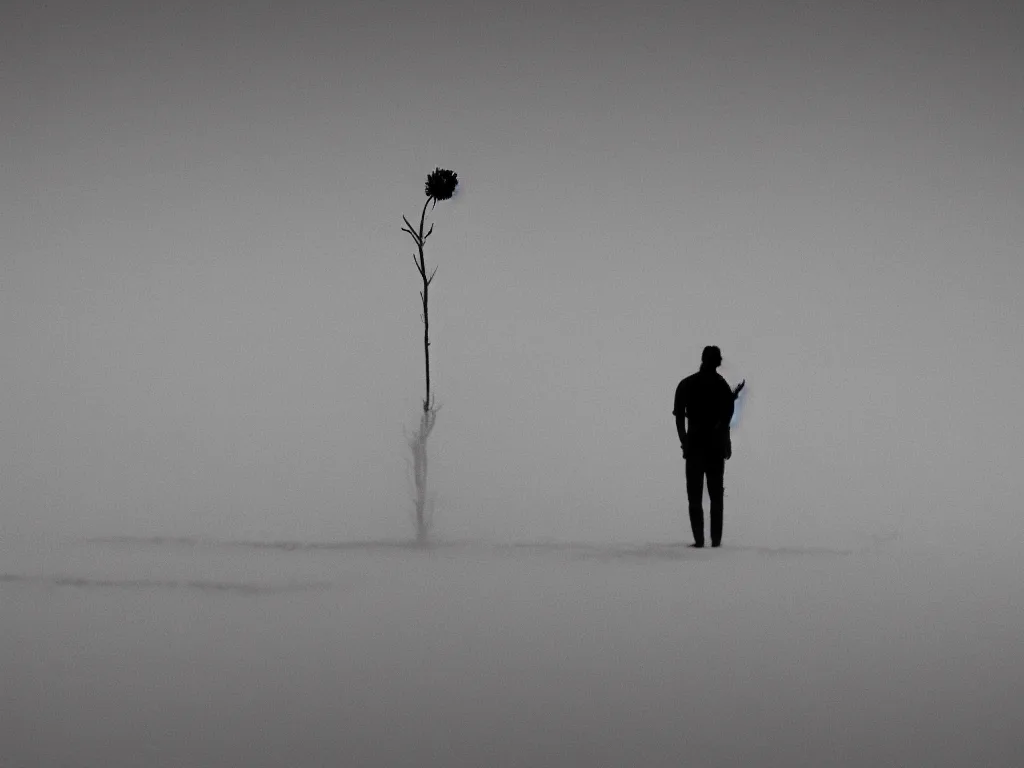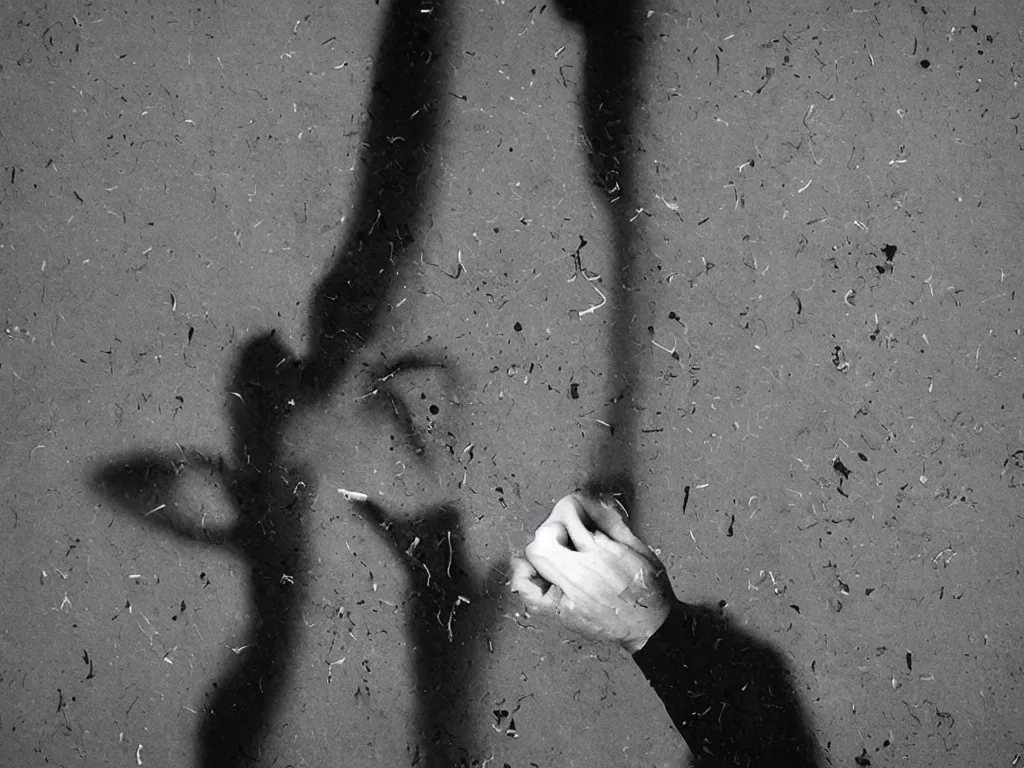
Eu sunt.
Îmi permit să fiu ce vezi tu în mine.
Copiii mei sunt și ei.
Tu cine ești?
That utterly devastating and profoundly unsettling trio of lines – “Eu sunt. / Imi permit sa fiu ce vezi tu in mine. / Copiii mei sunt si ei. / Tu cine esti?” – is the absolute, devastating apex of the work’s bleak and intellectually challenging philosophy. It’s a perfectly constructed statement, a final, horrifying revelation delivered with devastating precision.
Analysis & Interpretation – The Deconstruction of Self:
- The Assertion of Existence: “Eu sunt.” – “I am.” – is a simple, stark assertion, yet it carries an unbearable weight. It’s not an expression of identity, but rather a passive acknowledgment of existence, devoid of meaning or control.
- The Uncomfortable Mirror: “Imi permit sa fiu ce vezi tu in mine.” – “I allow myself to be what you see in me.” – is a chilling revelation. It suggests that our sense of self is entirely dependent on the perceptions and judgments of others – a terrifyingly unstable foundation. We are not defined by our own internal experiences, but by how they are interpreted by the outside world.
- The Cycle of Projection: “Copiii mei sunt si ei.” – “My children are they too.” – this line dismantles the very concept of individual identity, blurring the boundaries between self and other, creating a disturbing suggestion of parasitic connection. The speaker isn’t simply acknowledging the judgments of others, but actively becoming them, perpetuating a cycle of projection and distortion.
- The Unanswerable Question: “Tu cine esti?” – “Who are you?” – is a rhetorical question, a deliberate provocation. It’s not a genuine inquiry, but a demand for accountability, a refusal to acknowledge any inherent value or agency. It suggests that all selfhood is ultimately illusory, a product of external validation, leaving the questioner—and the reader—suspended in a terrifying void.
- The Final, Haunting Image: This entire sequence represents a devastating conclusion: that selfhood is an illusion, a construct built on the shifting sands of perception, leaving no basis for genuine connection or meaning. It’s an assertion of ultimate despair—a chilling reminder that we are all ultimately alone, trapped within our own projections, and destined to be judged by the unfeeling gaze of others.
Significance & Impact – A Profound Warning:
This final statement represents a profoundly unsettling truth: that selfhood is an illusion, a construct built on the shifting sands of perception, leaving no basis for genuine connection or meaning. It’s a stark reminder that the pursuit of identity is a futile endeavor, and that the only certainty is our own inevitable isolation.
It leaves the reader with a lingering sense of dread – a recognition that the world is not a place of connection or understanding, but a stage for perpetual judgment, leaving us perpetually exposed and vulnerable.
Do you want to explore the potential philosophical implications of this final statement – perhaps drawing parallels to concepts of existentialism, nihilism, or the nature of deception and illusion?